
Pain and Dog Behaviour: Could Pain Be Affecting Training?

Updated: Oct 5
Could Pain Be Affecting Your Dog's Behaviour? Why Training Alone Isn't Always the Answer
Have you ever felt like you're doing everything "right" with your dog's training, but nothing seems to improve? Perhaps your dog has suddenly become reactive towards other dogs, started growling when touched, stopped enjoying walks, or seems unable to concentrate during training sessions.
While it's easy to assume these are purely behavioural problems, there's one important factor that is often overlooked: pain.

Pain is one of the most common underlying causes of behaviour change in dogs. Yet, many dogs show very subtle signs that can easily be mistaken for 'stubbornness', anxiety, excitement, or even disobedience. As a dog trainer and canine nutrition consultant, one of the first things I consider when working with behavioural concerns is whether pain or physical discomfort could be contributing to what we're seeing.
As a guardian of a dog living in chronic pain, I have experienced firsthand how hard the subtle signs of pain can be to spot. I have seen how pain affected my own dog's behaviour, and how no amount of training resolved those behavioural challenges. Even as a dog professional, I missed the earlier signs, I didn't know then what I know now. So now I am on a mission to make sure no other dog has their pain dismissed or goes without the healthcare they need to live a happy and comfortable life.
Understanding Pain and Its Impact on Behaviour
Behaviour is communication. When a dog is in pain, their priorities change. Instead of feeling safe enough to learn, explore, and engage with the world, their body is focused on protecting itself. Pain activates the body's stress response, increasing stress hormones and making the nervous system more sensitive.
This means your dog may become:
More reactive towards people or other dogs
Easily startled and sensitive to noises
Less tolerant of handling
More anxious or worried
Frustrated more quickly
Unable to focus during training
Reluctant to walk, jump, or play
Less interested in food or rewards
More withdrawn or unusually clingy or avoidant
Every dog responds differently. Some become quieter, while others become increasingly vocal or reactive.
Signs Your Dog May Be Experiencing Pain
Dogs are incredibly good at hiding pain. Most compensate for discomfort until the pain becomes too high to hide. Some common signs include:
Sudden changes in behaviour
Increased reactivity
Growling when approached or touched
Reluctance to be groomed
Avoidance or reluctance going up stairs or jumping in and out of the car
Sleeping more than usual
Changes in posture or gait, including hip swaying, splaying legs out while sitting or lying down
Excessive licking of paws or joints
Difficulty settling, including frustration barking
Reduced enthusiasm for training, walks, and play

Remember: Not every painful dog limps. In fact, many dogs with chronic pain move surprisingly well but show behavioural changes long before obvious physical symptoms appear. By the time we see obvious signs of pain, it's likely the dog has already been struggling for a long time.
Why Pain Can Affect Dog Training
Learning requires a dog to feel safe. When a dog is uncomfortable, concentrating on training becomes much more difficult. Imagine trying to do a work task while suffering from a migraine or severe back pain. Even if you know what to do, your brain simply isn't functioning at its best. This is what many dogs experience.

Pain can reduce motivation, increase emotional responses, and lower frustration tolerance. A dog that previously coped well around distractions may suddenly struggle to remain calm because their nervous system is already working much harder. This is one reason why training progress sometimes appears to "plateau" despite consistent practice.
While not every reactive dog is in pain, recent research has shown that up to 80% of dogs experiencing behavioural concerns live with undiagnosed pain conditions.
Common Conditions That Can Influence Behaviour
Many medical conditions have the potential to affect behaviour, including:
Arthritis
Hip or elbow dysplasia
Soft tissue injuries
Cruciate ligament disease
Dental pain
Ear infections
Gastrointestinal discomfort
Skin allergies and chronic itching
Spinal pain
Muscle strains
Nail injuries
and many more!
Even when mild, ongoing discomfort can have a significant impact on your dog's emotional wellbeing.
Why Positive Reinforcement Matters Even More
If pain is contributing to your dog's behaviour, punishment-based methods can make the problem significantly worse. Correcting a dog for growling or reacting may suppress the warning signs without addressing the underlying discomfort. This can increase stress, damage trust, and potentially lead to more serious behavioural issues.
Positive reinforcement training focuses on helping dogs feel safe while teaching alternative behaviours. This makes it a far more ethical and effective approach, particularly when pain may be involved.
What Should You Do If You Suspect Pain?

If your dog's behaviour has changed suddenly, or training progress has unexpectedly stalled, I always recommend speaking with your veterinarian first. A thorough veterinary examination can help identify or rule out medical causes before focusing solely on behavioural training. But remember: GP vets may not be sufficiently experienced with all facets of canine health. In some situations, working with a specialist referral vet or paraprofessional may be a necessary next step.
In most cases, the best outcomes come from a collaborative approach involving:
Your veterinarian
A qualified, force-free dog trainer
A physiotherapist or rehabilitation therapist
A canine nutrition professional
Addressing both the physical and emotional aspects of your dog's wellbeing often leads to much better long-term results.
Looking Beyond Behaviour
Behaviour is only one piece of the puzzle. Dogs don't misbehave to give us a hard time. They behave in ways that help them cope with how they're feeling in that moment. Sometimes the behaviour we see is simply a symptom of something much deeper.
By asking "Could my dog be in pain?" before asking "How do I stop this behaviour?", we can make more compassionate decisions, improve our training success, and most importantly, support our dogs' quality of life.
Need Help Understanding Your Dog's Behaviour?
If you're struggling with reactivity, anxiety, sudden behaviour changes, or your dog's training progress has stalled, I'd love to help.
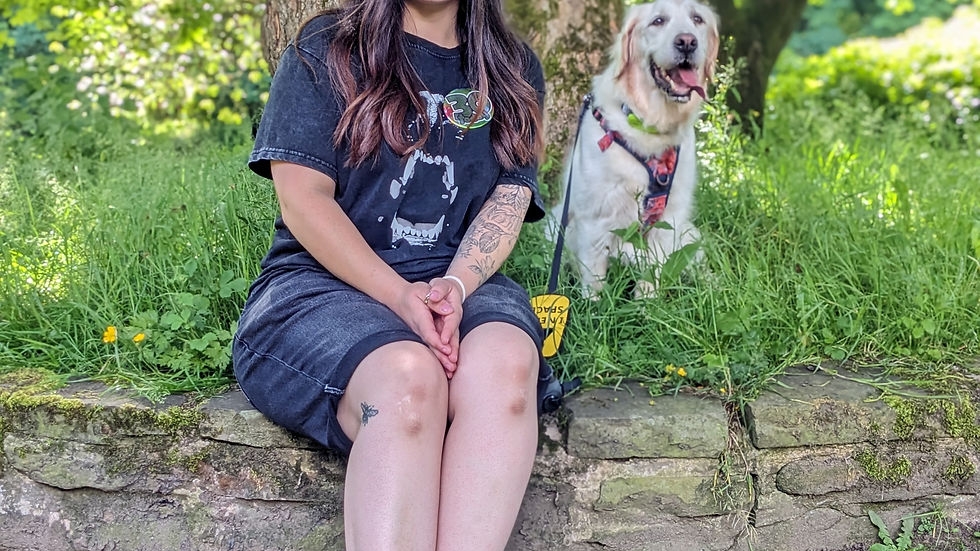
At Chewing with River, I take a holistic approach to canine behaviour. I consider not just training techniques, but also health, nutrition, emotional wellbeing, and lifestyle factors that may be influencing your dog's behaviour. I also work with multiple trusted dog professionals to find the best team to support your dog's unique needs.
Whether you're looking for one-to-one dog training, behaviour support, or guidance on how nutrition may impact behaviour, together we can uncover the root cause and create a plan that works for both you and your dog.
Get in touch today to book a consultation and start building a happier, healthier relationship with your dog.
